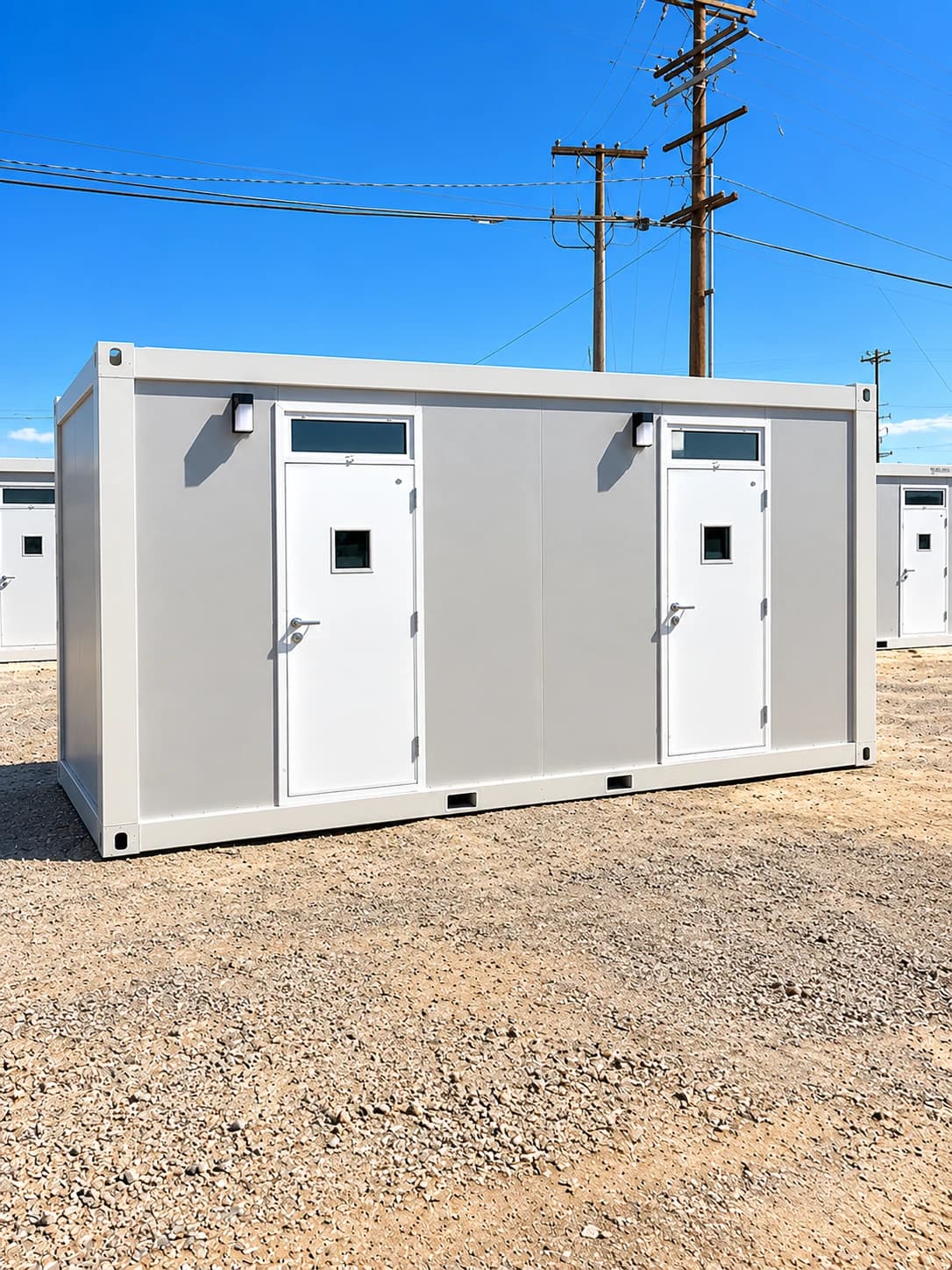
Shower restroom combination rentals. Remote Man Camp and bunk bed trailers for Minnesota crews.
Plan Minnesota shower restroom combination and Remote Man Camp trailer rentals, plus remote workforce housing, with Bunk Bed Specialties Workforce Housing USA. Start with bunk bed trailer rentals and portable sleeper accommodation for the people staying overnight, whether your crew is working near Duluth or preparing a project in Rochester. Connect that sleeping space with a Life Support Service plan: mobile shower and restroom combination trailers, standalone shower trailer rentals, separate restroom trailers, mobile laundry, commercial kitchens, dishwashing trailers, and emergency refrigeration when a permanent walk-in cooler or freezer breaks down. These temporary on-site facilities support commercial contractors, industrial cleanup teams, government agencies and institutional projects during construction, renovation and emergency recovery. Short-term rentals and long-term leasing should follow the crew’s dates, shift pattern and the facilities already available at the property. For a Bemidji crew, review the selected equipment, utility connections, delivery access, placement and ongoing service responsibilities together. Call us 24/7 to discuss your Minnesota location, check availability and request a project-specific rental quote.
BETWEEN THE SHIFTSRoom to rest. Ready for what’s next.
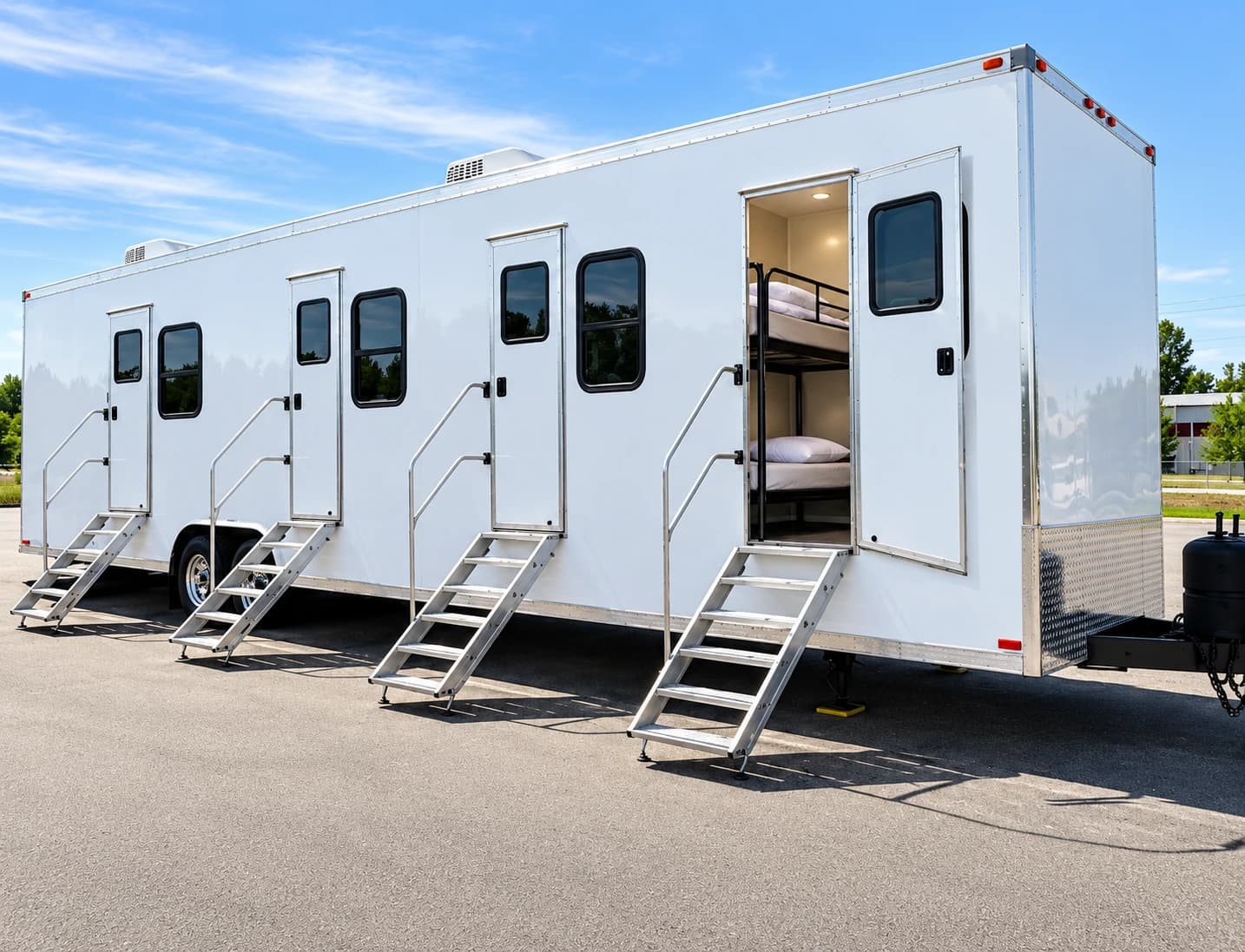
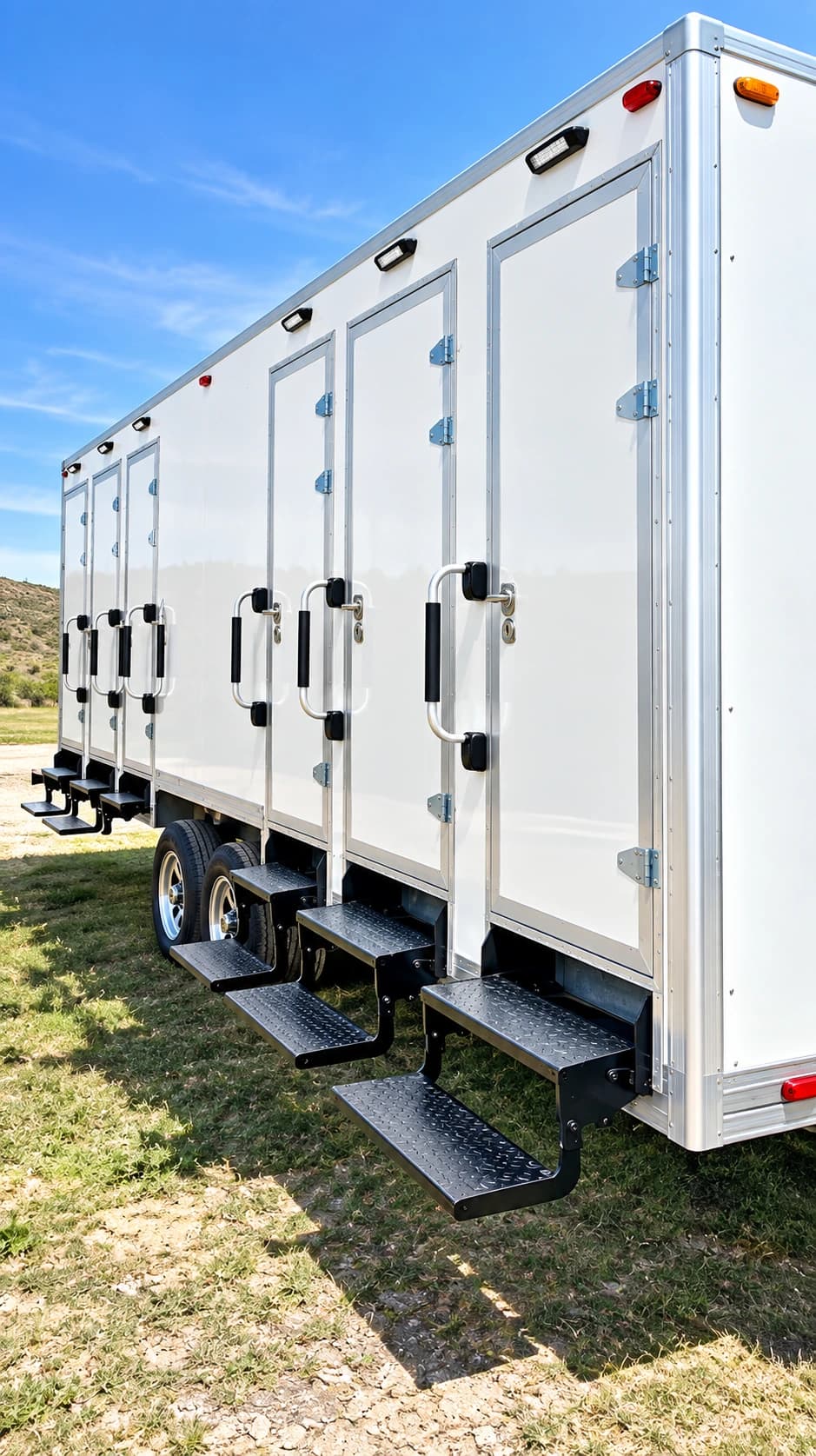
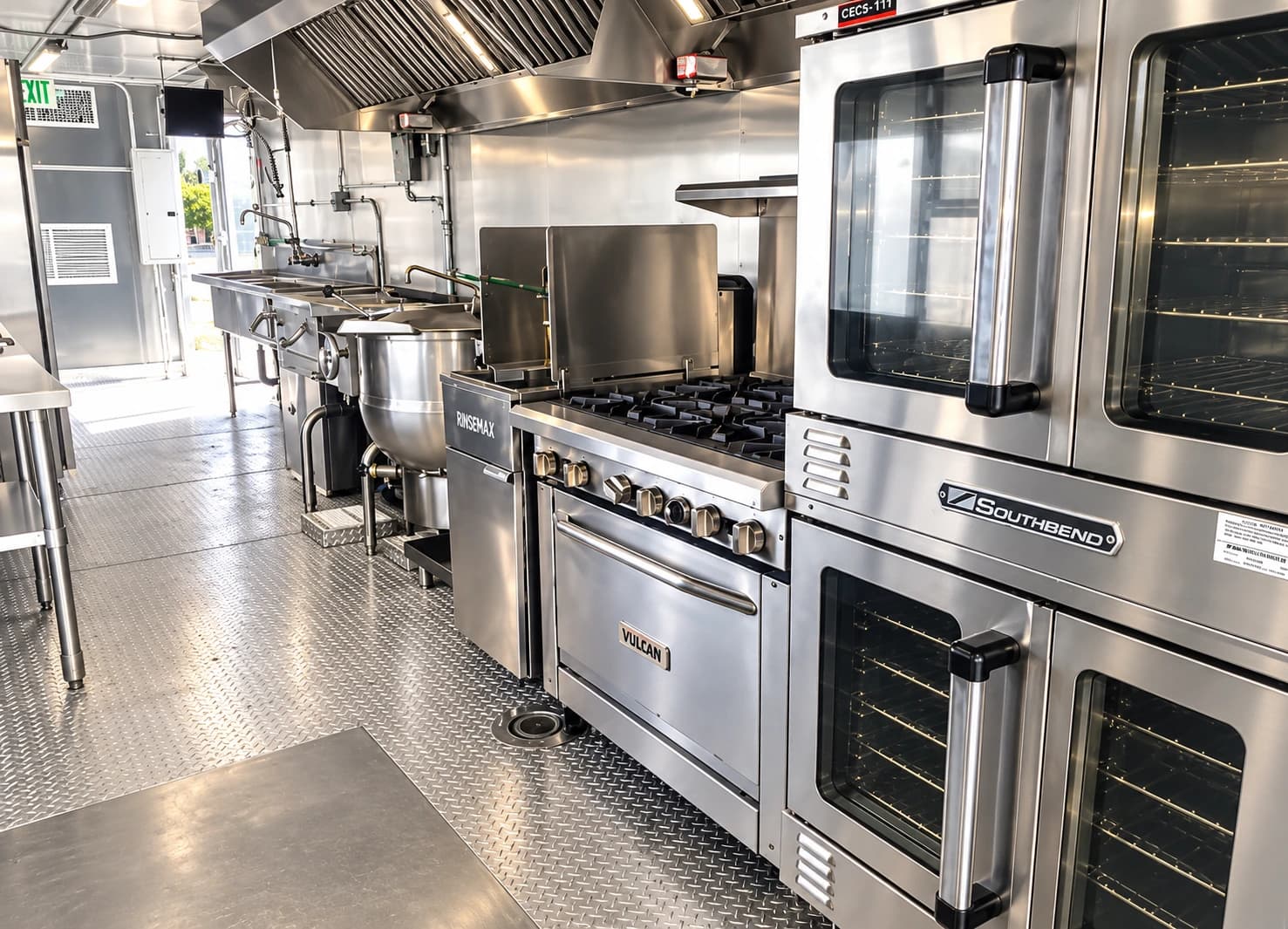
Equipment library examples. The selected configuration and availability are confirmed by quote.
Accommodation comes first.
Connect the everyday essentials.
Plan around your Minnesota site.
01 / YOUR CAMP, CONSIDERED
The right facilities. A more workable base.
Start with the people who stay overnight. Then connect sleeping space with the facilities that support everyday life.
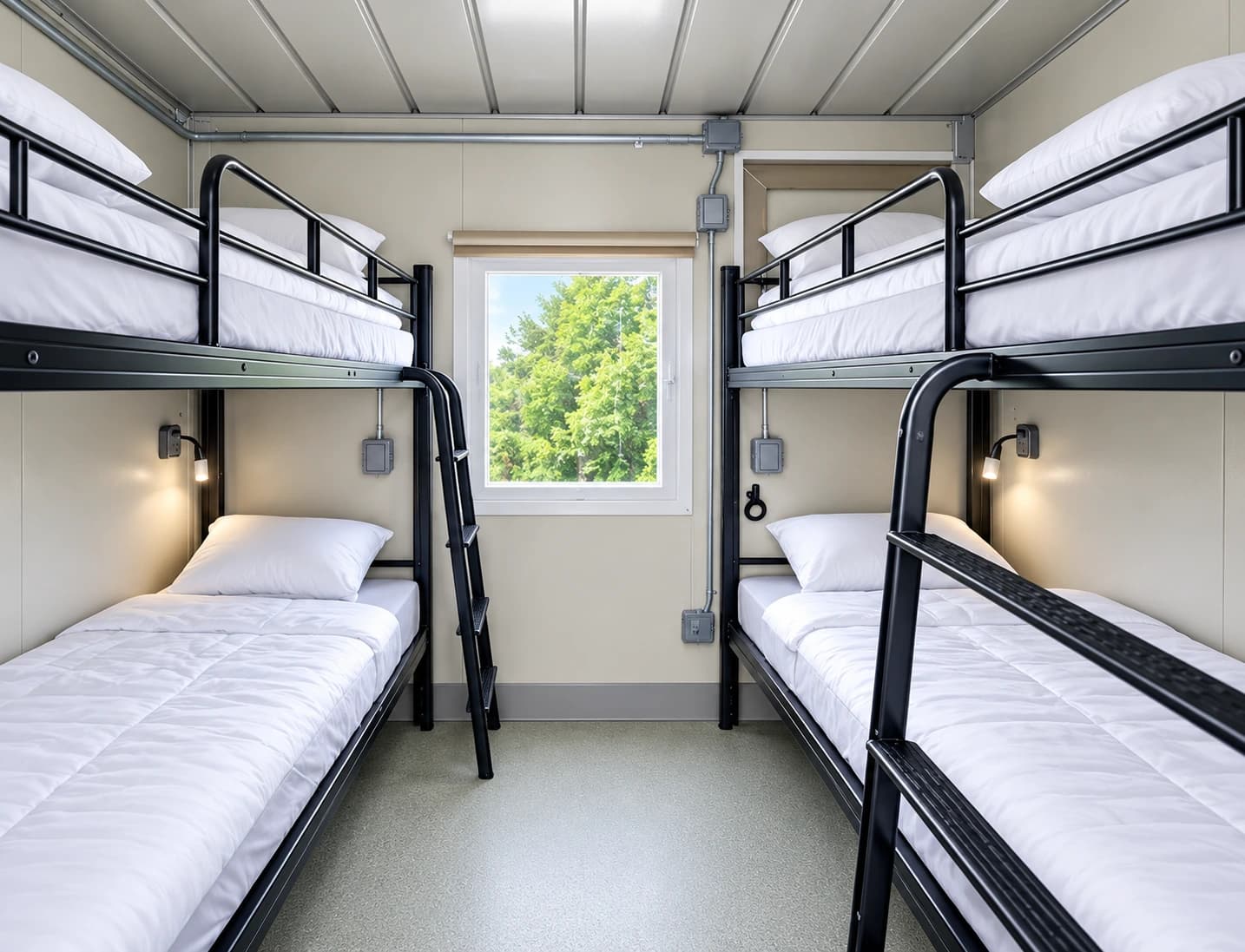
Accommodation library example; room and bed arrangements vary by configuration.
SLEEPING & REMOTE WORKFORCE HOUSING
A place to reset. A plan for every rotation.
A Remote Man Camp is temporary accommodation connected to the facilities a crew needs to live and work away from its usual base. Bunk bed and sleeper trailer rentals give that discussion a concrete starting point: who stays, when they arrive, how rooms are assigned and what the accommodation property already provides.
For a Duluth construction assignment, separate the workforce on the job from the people needing overnight accommodation. Day crews, visiting specialists and rotating teams may follow different schedules. A shared bunk bed layout and a more separate sleeper arrangement also meet different privacy and storage needs. Compare the actual configuration before choosing a unit.
A long-term remote workforce housing lease near Grand Rapids should include the routines that continue after delivery: clean linen, workwear storage, room turnover, cleaning and service access. Ask which furnishings and services are included. Confirm the proposed occupancy and utility requirements for the selected equipment with the responsible site team.
For a Bemidji sleeper rental, give the actual housing address even when it differs from the worksite. Note who controls the property, what is already connected and whether additional wash or meal facilities are needed. One clear brief helps keep the accommodation decision tied to the crew’s stay.
Standalone shower trailer rentals provide bathing space. Shower/restroom combinations bring both functions into a combined unit; separate restroom trailers add bathroom facilities where needed. A Saint Paul workforce rental should distinguish those requirements rather than treating every hygiene trailer as interchangeable.
Remote workforce laundry trailer leasing follows load volume, operating hours and the handling of workwear and linen. Water supply, hot water, drainage, cleaning and servicing all need an owner. For a Brainerd accommodation property, review the peak after-shift demand as well as the total crew. Confirm individual doors, locks, accessibility and the exact layout for the proposed equipment.
A mobile commercial kitchen is a temporary cooking facility; a dishwashing trailer supports the separate wash and return process for reusable dishes. A Rochester project may need one, both or neither, depending on the meal service already available where the crew stays.
Record the menu, meals per day, service hours and dish-return volume before discussing kitchen or warewashing equipment for rent. Plan working space and the relevant utility connections. Emergency refrigeration needs its own review when an existing walk-in cooler or freezer breaks down; confirm the actual unit and operating requirements for that continuity need.
Commercial and industrial crews need a living base that follows the work, the shifts and the setting.
Construction & infrastructure
A Minneapolis Remote Man Camp lease can support the people travelling in for a work package, rather than every person on the construction payroll. Record overlapping rotations, planned increases and final departure dates. Keep crew accommodation and pedestrian routes separate from active construction traffic.
In Brainerd, a bunk bed rental brief should account for the current approach to the property as well as project dates. Where work is phased, explain whether rooms stay assigned throughout the job or change hands between crews. The same accommodation may need a different service routine as occupancy changes.
Industrial & remote operations
For a Grand Rapids industrial assignment, remote workforce sleeper rentals can be reviewed around the largest overnight group, shift schedules and rest periods. Give maintenance teams, contractors and the property manager one shared outline of the proposed living arrangement and the facilities already present.
A Bemidji housing lease also needs a plan for daily cleaning, ordinary laundry and servicing. If specialist workwear handling is required, keep it separate from ordinary accommodation laundry and confirm its scope with the responsible team. Do not assume that every cleaning or site-support service is included with the units.
Public service & continuity
Government agencies, emergency-response teams and institutional project managers may need temporary accommodation when work takes crews away from their usual base. For a Mankato recovery assignment, identify essential sleeping and wash facilities first, then review later arrivals and the condition of the proposed property.
Healthcare, education and correctional renovation teams in Rochester may have a separate food-service continuity requirement. Hospitality, golf and catering projects can raise similar meal-support questions. Discuss the actual operating gap while keeping Remote Man Camp and crew accommodation at the center of the rental plan.
START WITH YOUR CREW
Bring the project. We’ll work through the facilities.
Why choose Bunk Bed Specialties Workforce Housing USA?
Reliable accommodation starts with the details of your Minnesota property. Work through the sleeping arrangement, everyday essentials and site responsibilities before a crew arrives, so your rental brief reflects how people will actually live between shifts.
✓
Why clients can plan with confidence
A useful quote identifies equipment, dates, complete charges and responsibilities. Ask for those details in writing, with the actual unit configuration and availability confirmed for your address. Our rental inquiry line is open 24/7 for commercial and industrial projects.
01
Deployment planned around the property
For a Duluth Remote Man Camp rental, identify the approved placement, usable approach and first occupied date together; a clear property brief gives the rental conversation a practical sequence without assuming a dispatch or arrival time.
02
24/7 emergency rental inquiries
Call day or night about urgent Minnesota accommodation needs, explain the facilities needed first and describe current access; the proposal should confirm what can be supplied and when before your team relies on an arrival.
03
One connected project scope
A bunk bed rental works best when sleeping arrangements, wash facilities, utilities and ongoing responsibilities share one plan, so purchasing staff and the person controlling the property are discussing the same requirement.
04
Flexible rental and lease planning
Plan weekly, monthly or longer-term accommodation around occupied dates, crew rotations and any staged arrivals; ask how minimum terms, extensions, partial collections and changed dates apply to the equipment in your written quote.
05
Commercial equipment, clearly matched
For a remote workforce housing lease, compare the actual room layout, entrances and utility requirements rather than relying on a generic model label; confirm the selected configuration and permitted use before arranging occupation.
06
Logistics reviewed from arrival to collection
A sleeper rental needs room for delivery, everyday pedestrian movement and service visits as well as final collection; identify the property contact who can review entrances, restrictions and the working position with the rental team.
03 / BEFORE THE FIRST ARRIVAL
A good camp plan starts at ground level.
A trailer footprint is part of the answer. The approach, utilities, occupied layout and daily service arrangements matter too.
ACCOMMODATION / PLACEMENT / ACCESS
Match power to the actual units.
For a Saint Cloud workforce housing rental, record the supply at the placement area and the distance to connections. Sleeping rooms and supporting trailers have different electrical requirements. Have the responsible site professional review specifications and any connection work; do not apply one model’s supply to the entire camp.
Connect water and wastewater.
Showers, laundry, kitchens and dishwashing each need a suitable water and wastewater plan. A Moorhead accommodation property may already provide some connections; confirm compatibility, storage or collection, pump-out arrangements where needed, and who manages the daily service. Keep servicing access available while the camp is occupied.
Leave room for everyday movement.
For Duluth sleeper trailers for rent, review the approach, turning space, placement, doors, steps or ramps and pedestrian paths. Retain a route for service visits and final collection. Identify the person who can explain current road restrictions, gates and the accommodation entrance before a movement is agreed.
Agree on approvals and responsibilities.
Required permissions depend on the Minnesota property, intended use and equipment. Establish who handles site preparation, utility work, local reviews, cleaning and ongoing services. Confirm a ramp or accessible configuration for the specific need rather than assuming every sleeper or wash trailer has the same access arrangement.
A remote basecamp rental does not have to repeat facilities that already work at the accommodation property. In Saint Paul, a usable kitchen and wash building could change the supporting-trailer discussion. Near Bemidji, a separate sleeper property may need a fuller utility and service plan. Describe the existing arrangement first.
Water storage, wastewater collection, temporary electrical arrangements, entry stairs and ramps can affect how the selected facilities operate. Ask which items are included, which can be arranged and which remain the site team’s responsibility. Public permits and professional connection work need their own review.
For a Rochester crew accommodation lease, explain where meals will be prepared, how reusable dishes return for washing and what cold storage is already present. Emergency refrigeration is a continuity requirement after a cooler or freezer failure, not an assumed item in every housing package.
Keep accommodation, supporting equipment and ongoing services separate in the proposal, then check how they work together. That makes it easier to compare quotes and identify a missing task before the crew arrives.
05 / MINNESOTA, FROM SITE TO SITE
One state. Many kinds of crew base.
From a metro accommodation property to a remote working base, start with the address where the crew will actually stay.
A Minneapolis or Saint Paul workforce housing rental may need to fit around an occupied property. A Duluth or Grand Rapids sleeper lease starts with a different approach and project setting. In Mankato, include current access in recovery planning; in Rochester, identify accommodation needs separately from institutional meal service. These city guides help organize that conversation, without implying local offices, stocked units or guaranteed delivery.
MINNESOTA / FIND YOUR CREW’S LOCATION
A state. Every city. Your next project.
10 city guides
CHOOSE A CITY
Where will your crew stay?
Hover a city to see its name and county, then click to open its guide. Where markers crowd together, click to zoom in, then drag to move around. On a touch screen, tap a marker to preview it, then tap again to open the guide.
A regional diagram, not a delivery-route or depot map. City, county and regional associations help describe the setting; confirm the precise property and availability by quote. Regional groupings follow Minnesota DEED.
For a Bemidji or Moorhead rental, include the last approach to the property. Brainerd and Saint Cloud crews also need clear arrival dates, room preferences and service responsibilities. Give both the worksite and sleeping-base addresses when they differ, and confirm availability for the precise location.
Public records help explain the setting. Your rental plan still needs its own property, people, equipment and dates.
01
Past emergencies & recovery needs
Minnesota DNR records significant southern Minnesota flooding during June 20–22, 2024, including the river area near Mankato. It is a historical reminder to include a suitable accommodation location, usable access and working utilities in a recovery-crew rental brief. Temporary sleeper, shower and laundry requirements depend on the actual response assignment; this event is not a claim that Bunk Bed Specialties Workforce Housing USA supplied that recovery. Read the DNR event record.
02
Major construction & changing crews
MnDOT lists phased Blatnik Bridge replacement construction in Duluth during 2026–31. For a project with changing work packages, a Remote Man Camp lease discussion should separate total site employment from the people who actually need overnight rooms. Include each crew’s arrival period, the accommodation property and support already present. The bridge is local project context, not a customer or a verified camp requirement. Check MnDOT’s project schedule.
03
Renovation & continuity planning
MSP Airport reported substantial completion of its Terminal 1 Operational Improvements Program in September 2025. That completed renovation illustrates why occupied facilities need careful separation of project work, staff movement and operating services. A Minneapolis or Saint Paul renovation-team rental could need accommodation away from the work itself, with kitchen and dishwashing support reviewed only where there is a genuine service gap. Read the airport’s completed-project report.
04
Emergency access & the final approach
Use Minnesota 511 for current road conditions and MnDOT’s seasonal load-limit information when discussing equipment movements. For a Bemidji or Moorhead rental, the last county road, gate and placement surface need their own review. Confirm any incident staging point, authorized destination and access instructions with the agency controlling that assignment before arranging a movement. Public road information does not establish an approved emergency route or a business dispatch arrangement. Check Minnesota 511 and MnDOT load-limit guidance.
05
Local rental costs & a complete quote
Request a written Minnesota quote for the selected accommodation, dates and actual placement address. A Brainerd bunk bed trailer rental and a Rochester remote workforce housing lease can have different transport, setup and ongoing service requirements. Ask for equipment charges and their billing period, delivery, collection, setup, minimum terms, extensions and exclusions. Call 888 385-5513, 24/7, for current availability and the charges that apply to your project.
Project and event records checked October 27, 2026. Historical examples describe planning context; they do not identify customers or partnerships.
06 / TURN THE DETAILS INTO A BRIEF
Your people. Your dates. A clearer next step.
Prepare the essentials for an availability and rental-quote conversation. Start with what you know today.
A Saint Cloud remote workforce housing quote needs the actual property, peak overnight crew and rental period. Add room preferences, power, water, wastewater, placement space and entry requirements. For supporting facilities, note meals per day, dishwashing volume, peak shower users and laundry loads. Tell the team whether the request is urgent or planned and who can review the site.
A USEFUL STARTING POINT
Prepare your rental brief.
Organize the essentials for a phone conversation. Fill in what you know; the site and equipment details can be worked through next.
Your details stay in this page. Preparing or downloading a brief does not send an inquiry or reserve equipment.
A Remote Man Camp rental combines temporary crew accommodation with the facilities people need between shifts. The starting point is the overnight population, room arrangement and project schedule. A construction team may need sleeper or bunk bed trailers at an accommodation property separate from the active worksite. Showers, restrooms, laundry, cooking and dishwashing are then scoped around what that property already supplies. Each facility, utility connection and ongoing service needs to be identified in the quote.
02
Can I rent bunk bed or sleeper facilities without a complete camp?
Discuss a standalone sleeping requirement when the property already has suitable wash, meal and laundry facilities. A remote workforce sleeper lease does not automatically require every supporting trailer category. Explain the proposed bed arrangement, people staying on each shift, entry needs and available electrical supply. The selected configuration, permitted occupancy and any included furnishings must be confirmed for the actual unit. A library photograph is an example, rather than a guarantee of the unit assigned.
03
How should I calculate the crew accommodation requirement?
Start with the largest number of people staying overnight at the same time, then separate room preferences, shift schedules and arrival phases. The project’s total workforce is not necessarily its overnight population. For a bunk bed rental, note whether rooms stay assigned between rotations and where luggage, workwear and clean linen will go. The rental team can review the arrangement, while the responsible site team confirms occupancy and any local requirements. Do not choose a capacity solely from the number of beds pictured.
04
Are weekly rentals and longer trailer leases possible?
Discuss one-week, monthly and longer-term requirements against the actual crew schedule. Start and end dates, minimum terms, billing periods, extensions and collection arrangements need confirmation in the written quote. For an industrial accommodation lease, include the first preparation crew and the final occupied date as well as the main work phase. A longer project can still have several arrival or collection stages. Tell the team about schedule uncertainty before booking rather than assuming an extension is included.
05
What utilities does temporary workforce housing need?
Utility requirements depend on the selected accommodation and its supporting facilities. Record the electrical supply at the proposed placement area, with the distance to the connection. Showers, restrooms, laundry, kitchens and dishwashing also need their own water and wastewater review. For a rental, describe any existing connections and who controls them. A responsible site professional should confirm compatibility and required work against the actual equipment specifications. One trailer’s voltage or amperage does not establish the requirement for an entire camp.
06
How do shower, restroom and laundry rentals fit together?
They perform different jobs and should be selected separately. Standalone shower trailers provide bathing facilities; shower/restroom combinations put both functions in a combined unit; separate restroom trailers provide additional bathroom capacity. Laundry planning follows wash loads, operating hours and the workwear or linen routine. A remote workforce rental needs a clear plan for water, wastewater, cleaning and service access as well as the accommodation itself. Confirm individual doors, locks, accessibility and the actual layout for the proposed units.
07
Can a camp rental include meal-service facilities?
Discuss mobile commercial kitchens and a separate dishwashing requirement when meals will be prepared on site. Record the menu, meals per day, operating hours and reusable-dish volume before selecting equipment. An institutional project may already have part of that infrastructure, so identify the gap first. Emergency refrigeration is a separate continuity need when an existing walk-in cooler or freezer fails. Confirm the relevant equipment, utilities, staffing, service scope and any food-service approvals for the specific property.
08
How much does a Minnesota Remote Man Camp rental cost?
A complete price needs the equipment configuration, Minnesota address, rental period and site requirements. Ask the written quote to separate equipment, delivery, setup, collection and ongoing services, with the billing period, minimum term and exclusions stated. A Mankato recovery-crew request may have different access and service requirements from a planned workforce housing lease. No universal Minnesota rate or calculated price is published here. Call 888 385-5513 with your project details to request the applicable charges and current availability.
09
Can I call about an emergency rental?
Yes. Call 888 385-5513, 24/7, to discuss an urgent crew accommodation or supporting-facility requirement. Give the exact property location, first occupied date, number of people and any utility interruption. For emergency recovery accommodation, identify which facilities are needed first and which could follow in another phase. Current access, suitable equipment and delivery timing still need confirmation. Public emergency operations and road restrictions are controlled by the responsible authorities; a rental inquiry is not an emergency-services call.
10
What should I prepare before requesting a quote?
Bring the accommodation address, dates, overnight headcount, room preferences and facilities already available at the property. Add power, potable water, wastewater, delivery access, usable placement space and any need for steps or a ramp. A Saint Cloud project can cross local jurisdiction boundaries, so the exact address matters more than a broad city label. Use the project-brief tool to organize the information, download your notes and then call the rental line. The tool saves a brief; it does not send a booking or reserve equipment.
MINNESOTA COMMERCIAL RENTAL INQUIRIES
Request a Remote Man Camp rental quote.
Call Bunk Bed Specialties Workforce Housing USA with the Minnesota location, first occupied date, expected rental duration and number of people staying overnight. Explain whether you are comparing bunk bed trailers, a separate sleeper arrangement or a wider remote workforce housing plan. For a Minneapolis construction team or a Mankato recovery assignment, the equipment conversation starts with the same essentials: the actual accommodation property, crew routine and facilities already there.
Add known electrical, water and wastewater information, and identify the person responsible for access and placement. If showers, restrooms, laundry or meal facilities are needed, include their expected use. Ask the written proposal to state the selected configuration, equipment charges and billing periods, delivery, setup, collection, minimum terms and any ongoing service. Availability and timing are confirmed for the specific request. The inquiry line is open 24/7 for urgent and planned commercial or industrial projects.
YOUR NEXT STEP
Let’s make room for your crew.
Bring your Minnesota location, overnight headcount and dates. We’ll start with the accommodation and work through the facilities your project needs.